
 an extract from Virginibus Puerisque
Closely following on this epoch of migratory lanthorns in a world of extinction, came the era of oil-lights, hard to kindle, easy to extinguish, pale and wavering in the hour of their endurance. Rudely puffed the winds of heaven; roguishly clomb up the all-destructive urchin; and, lo! in a moment night re-established her void empire, and the cit groped along the wall, suppered but bedless, occult from guidance, and sorrily wading in the kennels. As if gamesome winds and gamesome youths were not sufficient, it was the habit to sling these feeble luminaries from house to house above the fairway. There, on invisible cordage, let them swing! And suppose some crane-necked general to go speeding by on a tall charger, spurring the destiny of nations, red-hot in expedition, there would indubitably be some effusion of military blood, and oaths, and a certain crash of glass; and while the chieftain rode forward with a purple coxcomb, the street would be left to original darkness, unpiloted, unvoyageable, a province of the desert night.
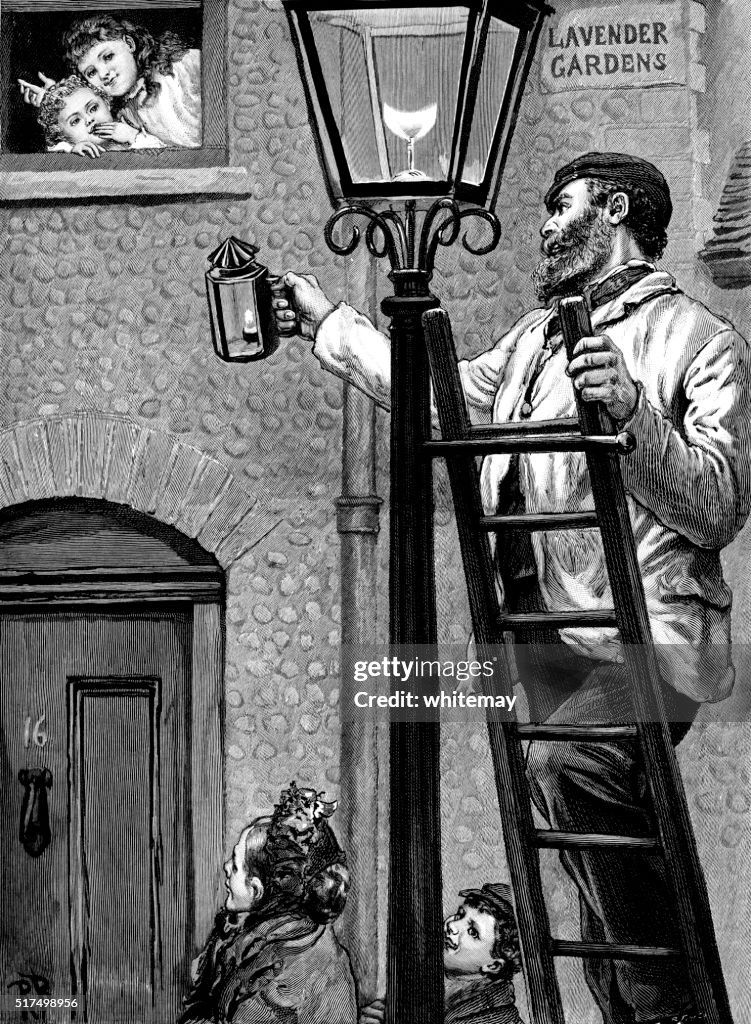 The conservative, looking before and after, draws from each contemplation the matter for content. Out of the age of gas lamps he glances back slightingly at the mirk and glimmer in which his ancestors wandered; his heart waxes jocund at the contrast; nor do his lips refrain from a stave, in the highest style of poetry, lauding progress and the golden mean. When gas first spread along a city, mapping it forth about evenfall for the eye of observant birds, a new age had begun for sociality and corporate pleasure-seeking, and begun with proper circumstance, becoming its own birthright. The work of Prometheus had advanced by another stride. Mankind and its supper parties were no longer at the mercy of a few miles of sea-fog; sundown no longer emptied the promenade; and the day was lengthened out to every man’s fancy. The city-folk had stars of their own; biddable, domesticated stars.
 a wayfarer’s notes