
 a shorter than usual post—but you can take a long journey through time and space. Just click here …*

It started one morning in 1998, while I was freelancing in Volt Delta, a hi-tech American company in Egham. I saw a little ad on the front page of the Daily Telegraph for Claranet, offering email and webspace. I must have learned to program in html. Those brain cells have long since fallen by the wayside.
HTML (HyperText Markup Language) is not a programming language — it’s used to structure and display content on the web. You can’t write logic (like loops or conditions) in HTML alone, but …
*It says  but this is simply that the URL has http instead of https. Claranet tell me it cannot be changed: http://www.ian.mulder.clara.net/
I recommend you navigate to the Site map, where you‘ll find at bottom right a link “About the Origin of this site”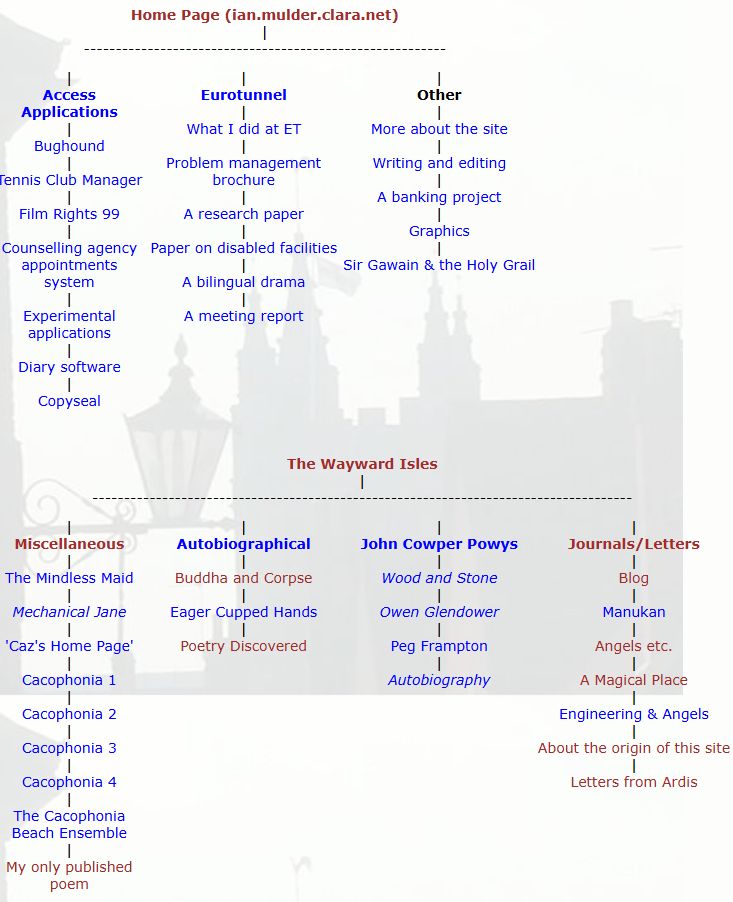 .
.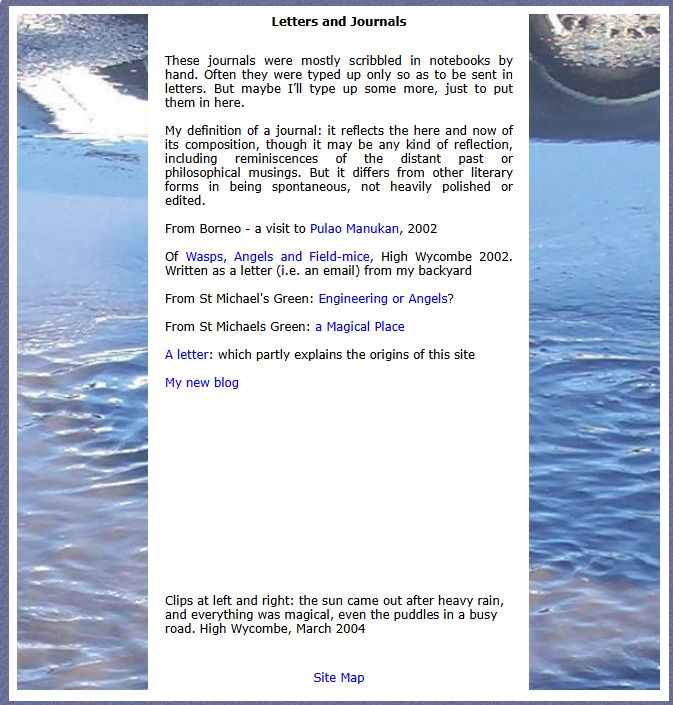 It’s mysterious to me too, but has its origins in my contract at Eurotunnel in 1994. where I first encountered e-mail. It was for internal communication only, replacing paper memos. The ideal of a “paperless society” goes back nearly fifty years
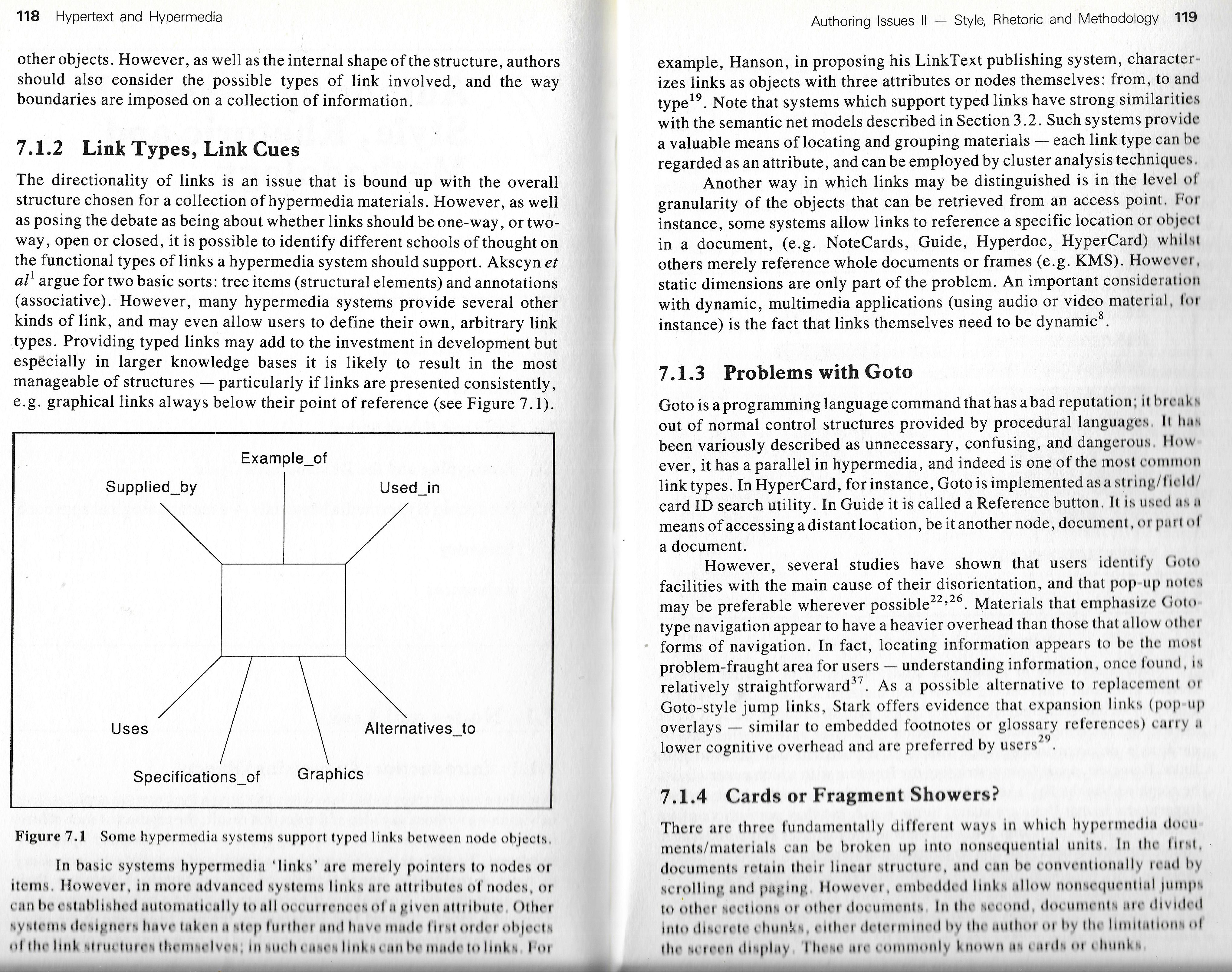
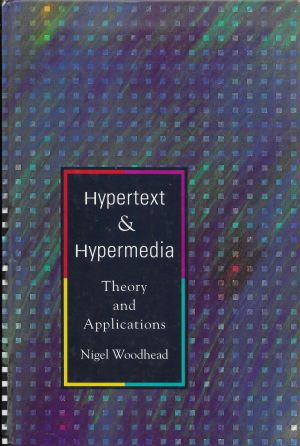
Anyhow, I met Nigel Woodhead at Eurotunnel, a brilliant young Oxford graduate, whose ideas flew around in hyperspace without connection to reality. The main thing I admired about him was his suave manner and his frequenting of London pubs where Marianne Faithfull visited. I knew her grandfather back in 1963, as an eccentric psychoanalyst who did me no good at all. He‘s been deleted from Wikipedia but you can get some idea here. Back to our adventure, The screen I’m most proud of is The Wayward Isles. You are to imagine an archipelago in the Eat Indies, and a junk that visits the various islands for trading and passengers. Took much research and, especially in the use of HTML
Try it out, I don’t think you’ll get lost. Try Cacophonia and right-click on one of the illustrations to hear…. synthetic music produced with … The Illustrations of Dutch organs were produced with special software. The music was converted from the original scores with a midi sequencer in a playful way so that tunes by Bach have been converted in various ways. Try Bach 26 from the list, for a laid-back vibraphone version of a tune that’s supposed to be an expression of grief for the Crucifixion. (Please correct me if I’m wrong)
 a wayfarer’s notes