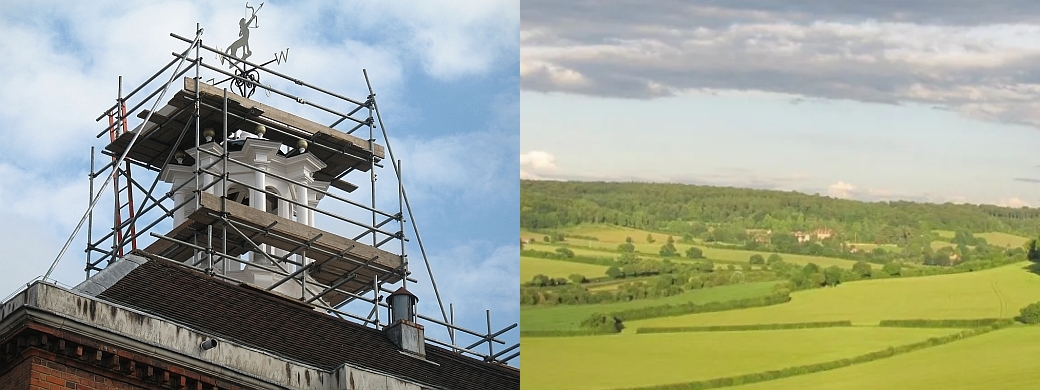

Originally published 9 years ago. Much has changed since then, including my writing style, no longer so quaint or twee, I hope. Why take such pains concealing the fact that Karleen and I live in High Wycombe, Bucks? (there’s another High Wycombe in Perth, Australia—the town where I was born).
I shall take you on a guided tour of our part of town. We are in the valley bottom, where the factories were built at the end of the nineteenth century. I don’t know what was there before. I haven’t seen any houses older than 1872. This area of the Chilterns has plenty of beech woods, which were used to make furniture, principally chairs. The process started in the woods themselves, as the Oxford Dictionary relates:
chair bodger A local name in Buckinghamshire for a chair-leg turner. Hence (chair-)bodgering, the action or process of chair-leg turning.
1911 G. ELAND Chilterns & Vale vi. 136 The men who thus work in the woods are called ‘chair-bodgers’. Ibid. 137 The purchaser then employs the ‘bodger’ to turn it [sc. a ‘fall’ of beech] into chair-legs. 1921 K. S. WOODS Rural Industries round Oxford II. i. 102 Most village turners or ‘chair bodgers’ confine themselves to the making of legs which they sell to the factories, mainly at ————*. 1939 D. HARTLEY Made in England i. 23 The shed for bodgering jobs may be left standing the whole year.


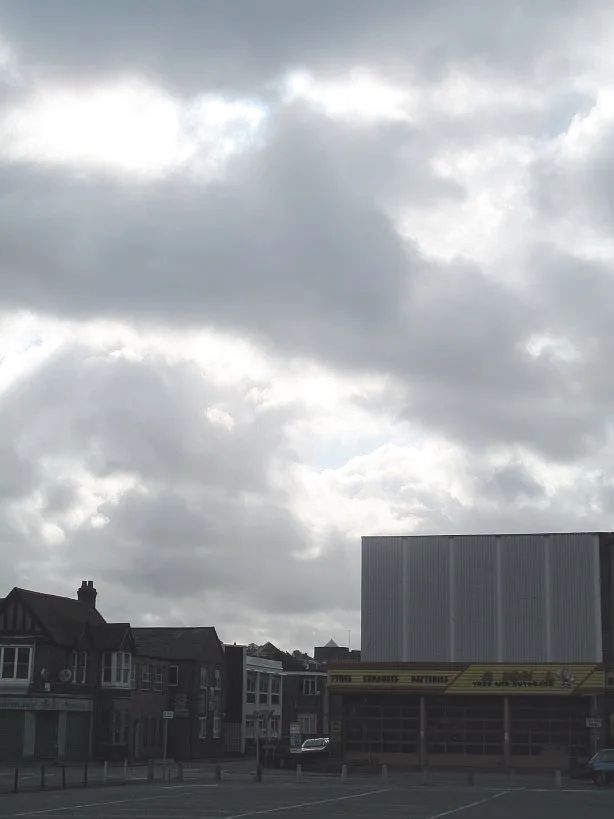
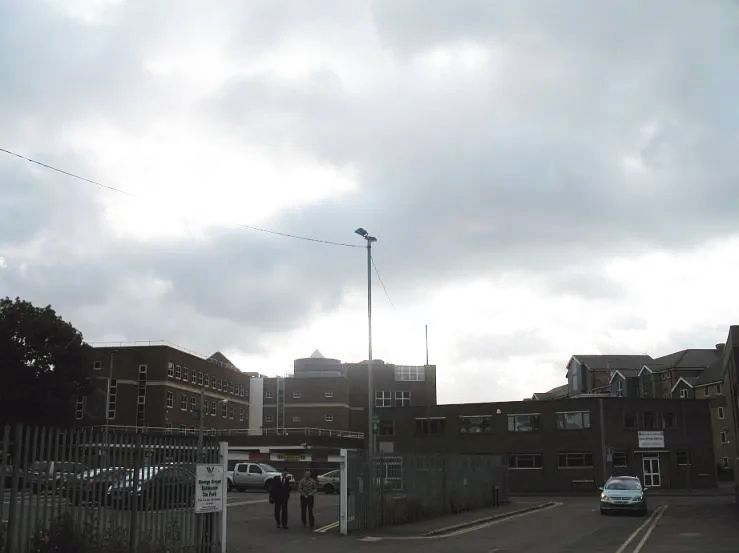


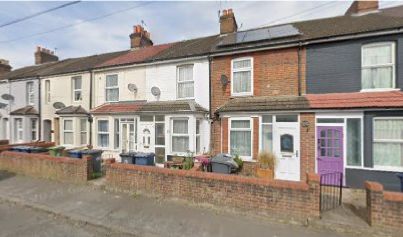
The following photos are all taken within a few yards of my house. . They don’t make furniture “from scratch”. There is only one factory in town which still does that, making solid wood tables, chairs and so forth.


This is now the largest factory building left in town I think, after the Broomwade factory was demolished in the last few months. That one was used for a scene in Charlie and the Chocolate Factory. Perhaps they built a sound stage in it. I hear that Johnny Depp nearly caused fainting of female staff at the local supermarket when he went there to buy a snack in between scenes.
In the foreground are things designed to sit on roofs, catch sunlight and take it down into illuminate interiors. They also make windcatchers, using an idea known for a thousand years to architects in the Middle East. They extract heat and stale air but unlike air-conditioning use no energy. The owner (pictured) is soon to retire. He doesn’t think anyone will take over this business (making fibreglass & plastic components). He can’t get any white person to work for him. They don’t like the hard work and the fumes. I nearly offered him my own services. But then I reflected that I don’t want to work in a factory and breathe acrid fumes either.



bathroom at right, dining-room window at back


view of the Pastures and our next-door neighbour’s backyard, from study window


Where I wrote this post
* I’ve edited out the real name of the town I call Wye Vale, as protection from search engines.
 a wayfarer’s notes