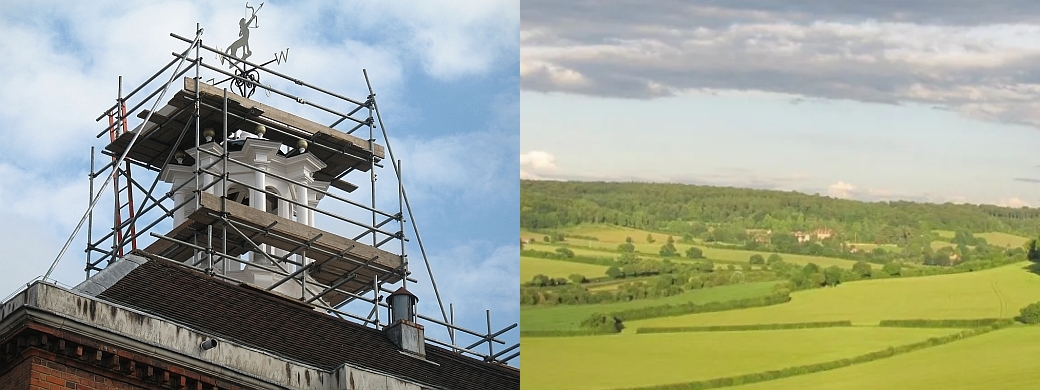

following on from previous post
Stephen Mitchell, adventurous translator of classic texts, attempts to explain wei wu wei, or “not-doing”, using words like these:
It’s when the game plays the game; the poem writes the poem; we can’t tell the dancer from the dance.
Bryan voices an objection:
But with the dancer or the athlete, there have been hours upon hours, years upon years, of training, developing skills, and conscious effort that have gone into this. There has been a long legacy of doing that has led them to this place where they can cut loose and move free; this is the payoff of all that training.
Right! and poems don’t just flow effortlessly from their author’s pen. There are scratchings out, corrections, changes, sometimes across the years.
Maybe Mitchell should stick to translating? Maybe we’ve no use for this foreign notion of wei wu wei? It’s hard enough getting to grips with Christianity, adulterated as it usually is, far from the teachings of Jesus, if we are even able to understand them.
I liked it when Bryan says, in his comment on my last, “I confess that I don’t know quite what it means, either.” It feels good to be in that place of not-knowing, for it means we stop short from falling into the trap of propaganda. We don’t surrender to the passive pleasure of being hoodwinked by someone else’s smoothly-expressed ideas. Once in a while, we don’t succumb to rhetoric, and it’s a better feeling: freedom to discover our own thoughts, our own nature. Freedom from bombardment by foe and friend, especially those in our internet bubble of Likes, Links, Favourites and Follows. We think they bring reassurance: stagnation, more likely.
For eleven years I’ve had advantage of this personal spot in cyberspace to set out my own stall, without any particular allegiance. But in times of weakness, I’ve been a sucker to rhetoric, calling it “good writing” when it seemed better than my own. Now I see it as a grimy second-hand thing to quote something just because I agree with it. Sure, I can learn from others. They help me discover unsuspected treasures reachable by my own understanding. But parroting their words and ideas? Better to be struck dumb.
So, what is it with Stephen Mitchell’s dancer, athlete and poet, as a “paradigm for non-action”? I too had misgivings about including such words in my last. They seemed exclusive, elitist. He himself studied Zen under a Master for many years. I known from my own experience that this kind of thing separates you from “the man in the street”. But he published his Tao Te Ching translation in 1988. I’ve reason to believe he’s moved forward since then.
Later in the excerpt, he declares that “Lao-Tzu’s central figure is a man or woman whose life is in perfect harmony with the way things are.” That chimes better with me, doesn’t require the years of rigorous training which separate the elite from the rest of us. And so, not wanting to reject that Mitchell out of hand, I thought of a way to modify his “paradigm” and make it more inclusive, taking Bryan’s words and turning them round:
We may not be dancers, athletes or poets but still there’s been countless hours and years that we’ve each followed our own path. Whatever we may think of it in retrospect we have ripened, from conscious effort, circumstance and more besides, to the person we are now. We are the fruit of much doing. This we have in common. What, if anything, stops us from cutting loose and moving free? This we need to know: how to get the awaited payoff.
In other words, here we are. We don’t need a whole load of new stuff, new skills, ideas from other religions. We only need to be open to everything that comes; to embrace what is. We don’t need to demand more from ourselves, but less. Or, putting it another way, learn how love replaces fear.
Which entails a further investigation, to be continued in our next.
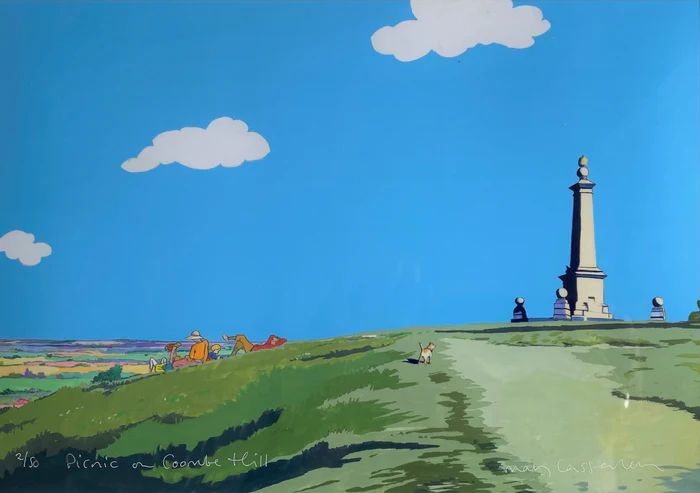
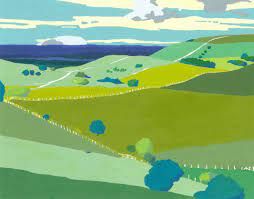
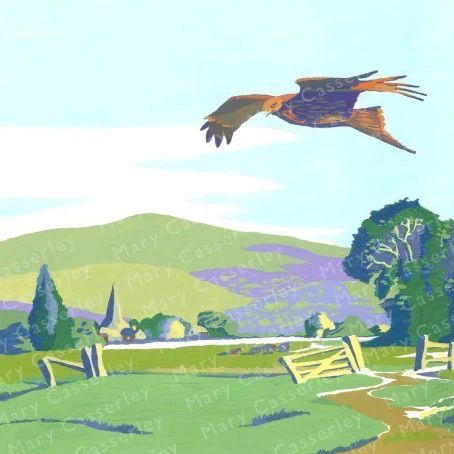
Here are some paintings by Mary Casserly on Coombe Hill, Buckinghamshire, where we celebrated our anniversary on 25th May







 a wayfarer’s notes